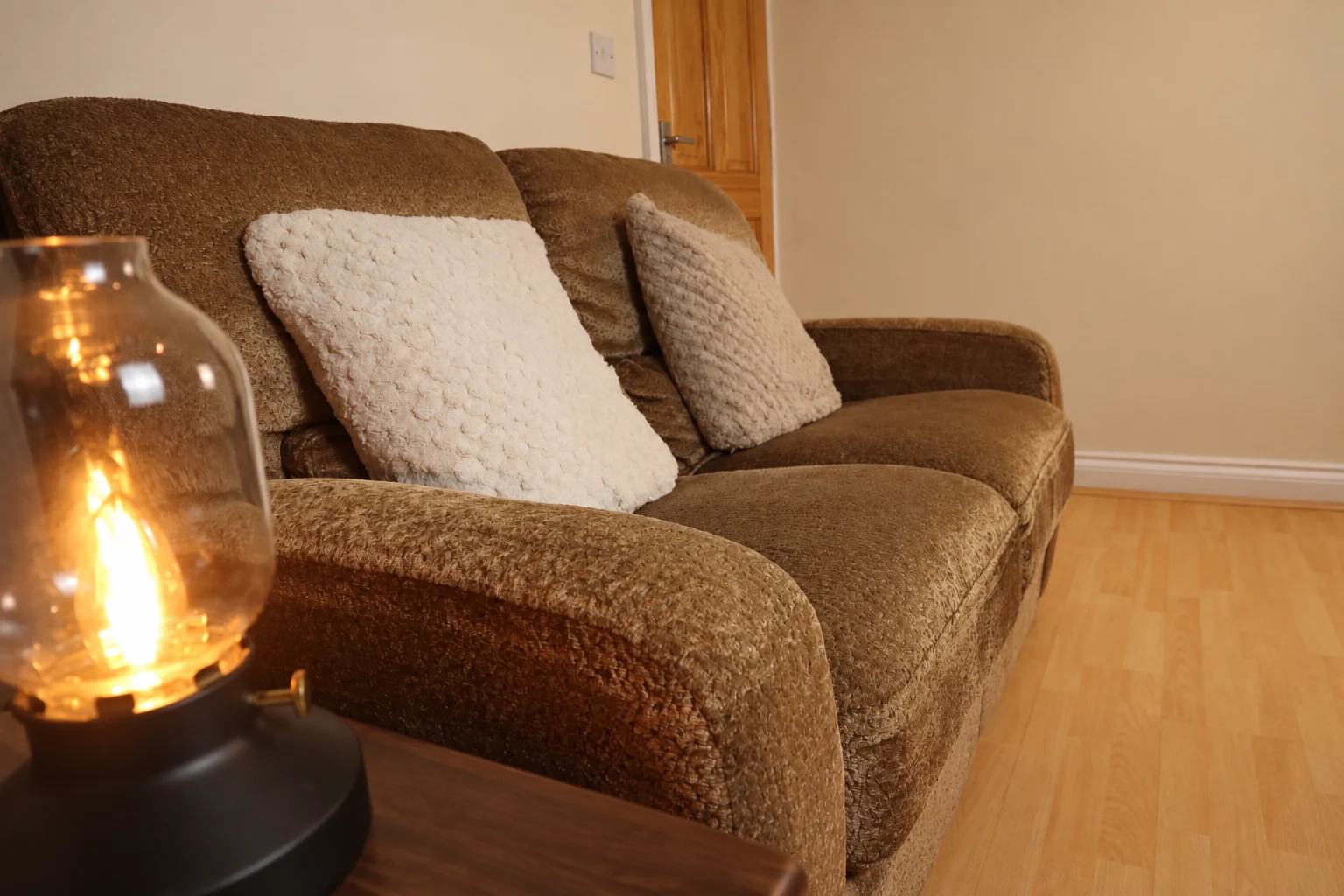
Your first hypnotherapy session starts with a conversation about what you want help with. We agree the work before any hypnosis, and you can ask questions, pause or stop.
First sessions usually take around 90 minutes; follow-ups around 60 minutes. Individual sessions cost £120 per session. Before booking, you can have a free 30-minute Zoom call.

The free consultation
We begin with a free 30-minute Zoom call. I ask what is happening, what you have tried and what you would like to change. You can ask about the approach, my training, fees and the likely starting plan.
Bring your questions and we’ll see whether working together feels right. If we agree paid work may suit you, I send the proposed sessions, price and terms in writing before you accept or pay. If another kind of support looks more suitable, I’ll explain why.
The first session, step by step
The first appointment usually takes around 90 minutes, allowing time to talk before any hypnosis. Here is what we cover.
1. Discuss what is happening
The first part is conversation. I want to understand what happens in the situations you find difficult: what you notice, how you respond, what you have tried and what you want to change. I listen before suggesting a plan.
You can take time to explain things in your own words. I ask questions where I need more detail and check that I have understood you.
2. Agree a specific goal
Before any hypnosis exercise, we define a specific goal. For example, “I want to stop rehearsing conversations for an hour before every meeting” is easier to review than “I want to feel better”. We agree what change would look like during a typical week so that we can assess progress. I explain this further in how many sessions will I need.
We work on one priority at a time so that progress can be assessed clearly. Related difficulties may also change, but we do not assume that they will.
3. Begin the hypnosis exercise
When you are ready, I guide your attention using my voice. You sit or recline comfortably, with your eyes open or closed as you prefer. I explain the exercise and you can ask to pause or stop.
A useful description is focused and absorbed, rather like becoming engrossed in a good book. You still hear what is happening. You can speak, shift in the chair, scratch your nose, open your eyes or ask to pause. Your mind may wander sometimes, and that is normal.
Hypnosis can feel quite ordinary. Some people feel deeply relaxed; others mainly notice concentration, imagery or a different quality of attention. There is no single sensation you have to produce for the session to count.
4. Work on what we’ve agreed
What we do depends on the situation. We might use imagery and suggestion, practise what you want to say or explore an earlier experience that still matters to you. If you’re pulled between competing wants, we can discuss that too. I explain each exercise and ask what you notice. The methods section gives examples of these different ways of working.
5. Finish and review
Coming out of trance is undramatic. I guide your attention back, you open your eyes and we take a few minutes to talk about what you noticed. I will often give you something small to pay attention to or practise between sessions. Make sure you feel fully alert and steady before driving or using machinery; if you do not, wait and arrange another way home.
What hypnotherapy involves
Hypnotherapy uses focused attention, imagery and suggestion for an agreed purpose. Your participation and feedback help shape the work. The evidence overview explains what has been studied and the limits of those findings.
It does not replace medical care. If anxiety or low mood is weighing heavily on you, speak with your GP as well. The comparison of hypnotherapy, counselling and CBT can help you prepare questions about your options.
How you remain in control
You can speak, move, open your eyes, question a suggestion or stop. I explain what we are doing and check how it feels for you. Tell me if an exercise is uncomfortable or does not make sense so we can change it.
Concerns hypnotherapy may help with
I work with anxiety and stress, overthinking, sleep and confidence. We start with a specific situation and what you want to do differently.
I also offer support for people determined to stop smoking and past life regression as a guided exploration. The purpose and suitability of the work are discussed before booking.
How many sessions will I need?
The number of sessions varies. We agree an initial plan, what we are working towards and a starting point, then decide when to review progress. There is no fixed course you must complete. At the review, we can decide together whether to finish, continue, adjust the approach or consider another route. I have written a fuller breakdown in how many hypnotherapy sessions will I need.
Why I do this work
I came to hypnotherapy as a client before becoming a practitioner. That experience matters to how I work: I make time for your questions and keep checking what is changing in everyday life. You can read about my training and background on the About page.
Practical details and fees
Individual sessions are £120 per session. First appointments usually take around 90 minutes, with follow-ups around 60 minutes. Times can vary; we agree how long to allow when booking. The fee is for the session.
Sessions take place at my home in Rugby or online, where suitable. I send the in-person address when we arrange the appointment. The optional six-session programme and its terms are discussed in the consultation.
Book a free 30-minute call to talk through what you would like help with. You can decide about paid sessions afterwards.
Common questions
Talk it through with Adel
If you are curious whether this approach fits, you can start with a free consultation. Sessions are available in Rugby and online.
The first step is a free 30-minute Zoom call. Bring your questions and we’ll see whether working together feels right.
Book a Free Call