Symptoms may become worse around deadlines, travel or difficult events. This does not make IBS your fault or mean the symptoms are imaginary. Stress can affect gut movement, sensitivity and symptom-related attention.
Gut symptoms need medical assessment. If yours haven’t been checked, speak to your GP before assuming they are IBS or caused by stress.

Your gut has a nervous system of its own
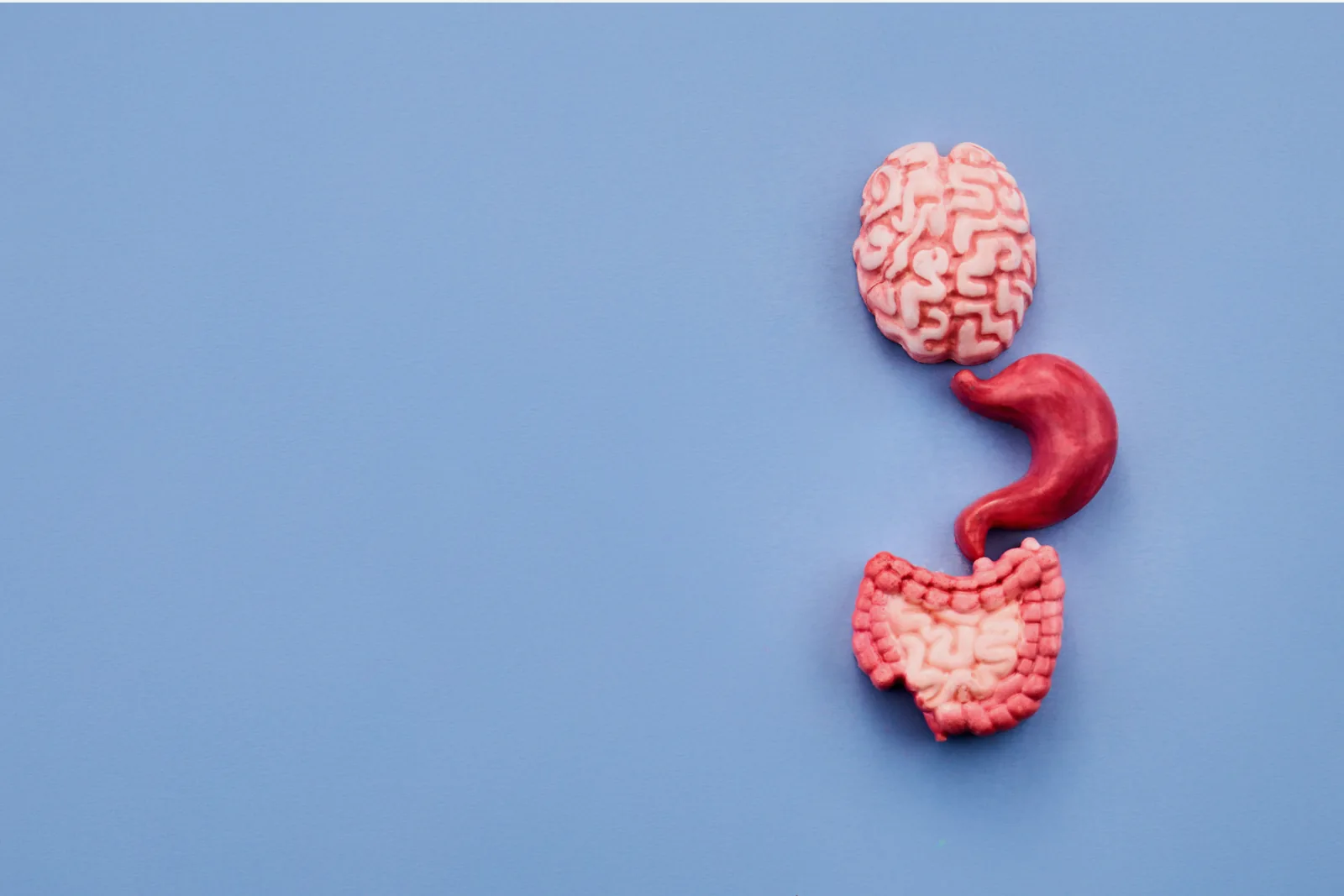
The gut has its own network of hundreds of millions of nerve cells, sometimes called the enteric nervous system. This network helps regulate movement, secretions and muscular contractions during digestion.
The gut and brain communicate in both directions through neural, hormonal and immune pathways, with the vagus nerve playing one part. Gut signals can influence how we feel, while stress and expectation can influence gut movement and sensitivity. Phrases such as “butterflies” and “sick with nerves” describe a connection that is physical, not imagined.
Digestion can be sensitive to stress and arousal. Some people notice changes in gut movement, urgency or discomfort when they feel under pressure. I described the wider alarm response in anxiety in your body vs your head; the familiar stomach-drop before a meeting is one everyday example of the gut and nervous system interacting.
The loop: how stress and symptoms feed each other
For some people with IBS, stress, attention and symptoms appear to reinforce one another. This is one part of a complex condition, not a complete explanation of anyone’s symptoms.
Stress may change gut movement or sensitivity, while symptoms can themselves create stress. Cramping, urgency and uncertainty may lead someone to scan menus, routes, meetings and bodily sensations more closely. That attention can make the experience more consuming even though the symptoms remain physical and real. The exact pattern differs from person to person and needs medical assessment rather than assumption.
You may notice symptoms or symptom-related worry increasing before a meeting, journey or meal. That does not mean the symptoms are imagined. It means anticipation may be one relevant part of your individual pattern, alongside medical, dietary and other factors best considered with the appropriate professionals.
Why IBS is not imaginary
Questions about stress should not dismiss the symptoms or the effort involved in managing them.
IBS is real. The pain, urgency and effort of managing it are real. Gut-brain communication is one recognised part of IBS, but it does not mean symptoms are “all in the mind” or that psychological support replaces diagnosis, medication, dietetic advice or other medical care. If persistent pain beyond IBS is also part of your life, I have set out the boundaries of my work on the chronic pain support page.
Evidence for gut-directed hypnotherapy
Structured gut-directed hypnotherapy is named in UK care guidance for some people with medically diagnosed, persistent IBS, but the evidence and protocols are specific and should not be generalised to every form of hypnotherapy.
Gut-directed hypnotherapy is a defined approach developed specifically for IBS and normally delivered as a structured course with between-session practice. It is not general relaxation with a gut-themed script. My present public offer is narrower: support with stress, symptom-related worry, avoidance and coping, only after appropriate medical assessment and alongside ongoing care. I do not present generic hypnotherapy as IBS treatment. I have set out the research picture, with the studies named and its limits explained, in what the science actually says about hypnotherapy.
Why might it help? The mechanisms are still being studied. Researchers have proposed effects on gut sensitivity, symptom expectations, stress responses and the way gut sensations are processed. Those are plausible explanations, not a reason to claim that we can directly control the vagus nerve or guarantee a change in digestion.
If comfortable breathing or imagery is already part of your care, you might use it as a general relaxation practice. Stop if it increases discomfort, dizziness or concern, and speak with an appropriate health professional about persistent or changing symptoms. A relaxation exercise is not an IBS treatment or a substitute for assessment.
Medical diagnosis and warning signs
Speak with your GP about ongoing gut symptoms before assuming they are IBS. The NHS symptoms guidance explains when to seek urgent help, including unexplained weight loss, bleeding from your bottom, bloody diarrhoea or a hard lump or swelling in your tummy. Ask for an urgent GP appointment or contact NHS 111 if these occur. New or changing symptoms still need attention if you already have an IBS diagnosis.
Within those boundaries, hypnotherapy may help with stress responses, symptom-related worry and coping. The IBS-related stress page explains how I approach this work in Rugby and online, and the first-session guide explains the process.
Common questions
Talk it through with Adel
If you have diagnosed IBS and worry about symptoms is affecting meals, journeys or meetings, we can talk about that alongside the care you already have. Sessions are available in Rugby and online.
The first step is a free 30-minute Zoom call. Bring your questions and we’ll see whether working together feels right.
Book a Free Call